
Why is My Incontinence Pad Leaking? 8 Common Causes and How to Fix Them
A leaking incontinence pad can be uncomfortable, frustrating and embarrassing - but it does not always mean that you need the most absorbent product available.
Leaks are often caused by incorrect sizing, poor positioning or using a product that does not suit your level of incontinence or daily routine. Before moving to a higher absorbency, it is worth checking how the product fits and is being worn. NHS continence guidance recommends reviewing the placement and fit of a product before increasing its absorbency.
Here are eight common reasons why an incontinence pad may leak and the practical steps you can take to improve protection.
1. The product is the wrong size
An incontinence product that is too large can leave gaps around the waist and legs, allowing urine to escape before it reaches the absorbent core.
A product that is too small may feel tight, sit in the wrong position or prevent the absorbent area from covering where it is needed most.
How to fix it: Measure around the widest part of the waist or hips and compare the measurement with the manufacturer's size guide. Do not automatically choose a large size because you need more absorbency - size and absorbency are separate considerations.
Correct sizing and a secure fit are particularly important for pull-up pants and all-in-ones.
2. The absorbency level is too low
If the pad becomes completely saturated before it is changed, it may not offer enough absorbency for the amount or frequency of leakage.
A light incontinence pad may be suitable for occasional drops, but heavier bladder leakage may require shaped pads, pull-up pants, or an all-in-one product.
How to fix it: Check the wetness indicator, where available, and notice how quickly the product becomes full. If it regularly reaches capacity, try the next absorbency level or consider a different product style.
Incontinence products are available in different sizes and absorbencies to support different levels of bladder leakage.
3. The pad is not positioned correctly
Even a highly absorbent pad can leak if the absorbent area is not positioned where urine enters the product.
Shaped pads are normally wider at the back and narrower at the front. They should be gently folded or "cupped" lengthways before fitting, rather than being flattened completely.
How to fix it: Centre the product between the legs, ensure the larger section is positioned at the back and check that it sits close to the body.
For shaped pads, close-fitting underwear or suitable fixation pants can help hold the product securely and reduce movement.
4. The leg cuffs have not been opened
Pull-up pants and all-in-ones often include soft inner leakage barriers around the legs. These are designed to help direct liquid into the absorbent core.
If the barriers remain folded inwards or trapped underneath the product, urine may escape around the thighs.
How to fix it: After putting the product on, gently run a finger around each leg opening and ensure the barriers are standing upright. Check that there are no gaps, folds or twisted sections.
5. The product moves during the day
Walking, exercising, sitting and transferring between a bed and chair can cause a poorly secured pad to move or bunch.
Small insert pads may also shift if they are worn inside loose underwear or boxer shorts.
How to fix it: Wear the pad inside close-fitting underwear and use the adhesive strip where provided. Larger shaped pads should be worn with suitable fixation pants to keep them close to the body.
People who are active or find that insert pads move frequently may prefer underwear-style pull-up pants.
6. You are using the wrong product for the situation
The product that works well during the day may not provide enough coverage overnight. Similarly, a pull-up pant that suits an independent and mobile person many become difficult to fit correctly if their mobility changes.
How to fix it: Match the product to the time of day, activity and level of support needed.
As a general guide:
- Light pads may suit occasional bladder leaks.
- Pull-up pants many suit mobile person who use the toilet independently.
- All-in-ones may provide more appropriate protection for heavier leakage, overnight use or assisted changing.
- Underpads can provide additional protection for beds and chairs.
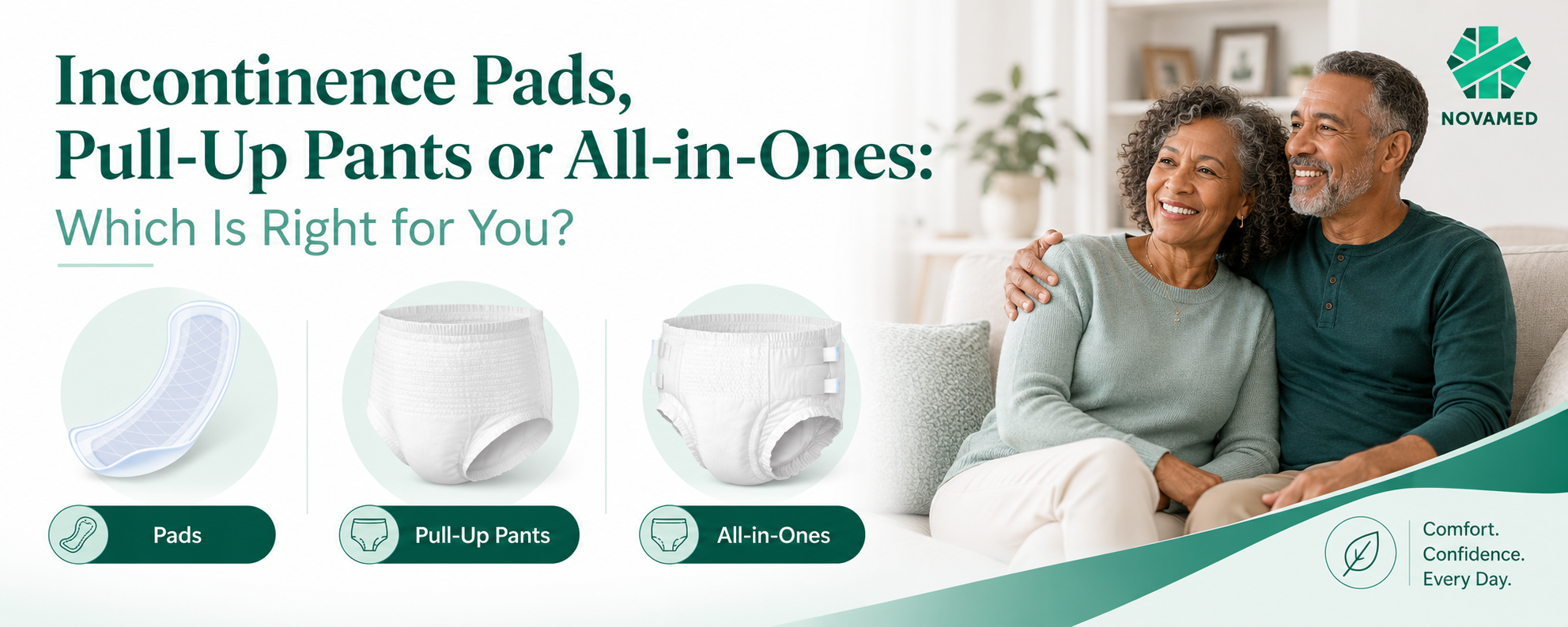
All-in-ones generally offer greater coverage and adjustable side fastenings, while pull-up pants are designed to be worn like ordinary underwear.
7. You are wearing two ordinary pads together
It may seem logical to placer one pad inside another for extra absorbency. However, the waterproof backing of the first product can prevent liquid from reaching the second.
Adding another pad can also interfere with the fit, create gaps around the legs and move the product's absorbent area away from the body.
How to fix it: Use one correctly fitted product with an appropriate absorbency. Only use a booster pad if it is specifically designed to be placed inside another continence product and follow the manufacturer's instructions.
8. Creams or talcum powder are affecting absorption
Thick, oil-based creams and talcum powder can block the surface of an incontinence pad. This may prevent urine from passing quickly into the absorbent core, causing it to pool on the surface and leak around the sides.
How to fix it: Avoid putting talc or thick oil-based products directly onto the pad. Where a barrier product is needed, seek advice from a pharmacist, GP, district nurse or continence professional about a suitable option and how much to apply.
NHS continence guidance warns that oil-based creams and talc can interfere with pad absorption and may contribute to wetness, soreness and leakage.
A quick leak-check checklist
When your incontinence pad leaks, check:
- Is it the correct size?
- Is the product fully saturated?
- Is it centred and positioned correctly?
- Are the leg barriers opened?
- Is it being held close to the body?
- Is the product suitable for daytime or overnight use?
- Has you mobility, body shape or level of leakage changed?
- Could a cream or powder be affecting absorption?
Changing the fit or product style may solve the problem without moving straight to the highest absorbency.
Finding the right protection
Every person's continence needs are different. A product that works well for one individual may not suit another person with similar symptoms.
Novamed offers a choice of light incontinence pads, pull-up pants, all-in-ones and disposable underpads, along with selected free samples to help customers assess comfort and fit before purchasing a larger quantity. Orders are delivered discreetly throughout the UK.
Continence products can help manage leakage, but they do not treat its underlying cause. Speak to your GP or a continence professional if urinary incontinence is new, worsening or affecting your everyday life. Seek prompt medical advice if it is accompanied by pain, blood in urine, difficulty passing urine or other concerning symptoms.
Live Comfortably. Live Confidently.