
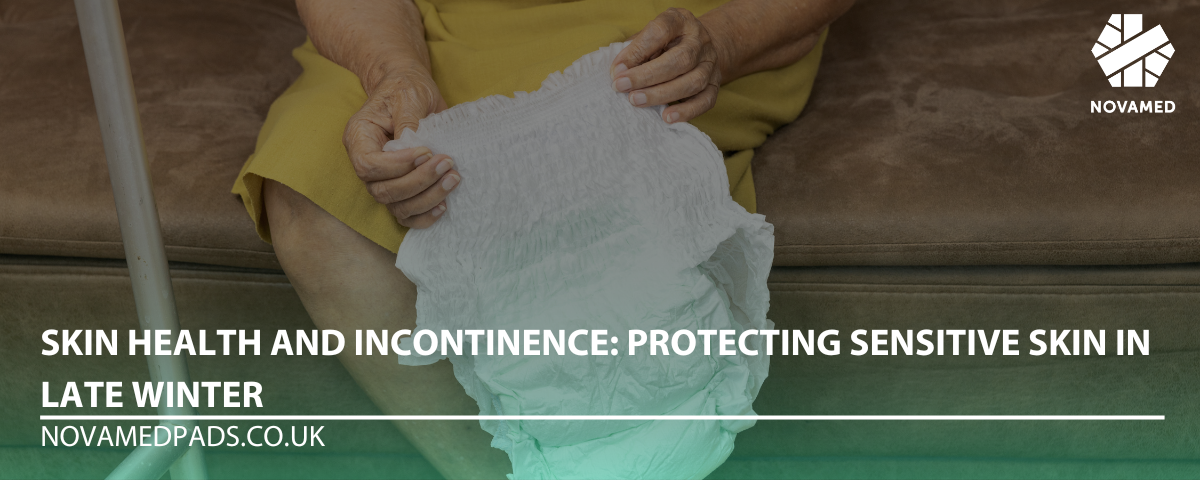
Skin Health and Incontinence: Protecting Sensitive Skin in Late Winter
Later winter presents unique challenges for skin health, particularly for individuals managing incontinence. Cold temperatures, indoor heating and low humidity can strip moisture from the skin, weakening its natural barrier. When combined with regular exposure to moisture, this can increase the risk of irritation and discomfort.
Understanding how to protect sensitive skin during this season is essential for maintaining comfort, dignity and overall wellbeing.
Common Skin Challenges Linked to Incontinence
People managing incontinence are more vulnerable to certain skin concerns, including:
Moisture-Associated Skin Damage (MASD)
Repeated exposure to urine can disrupt the skin's pH balance, weakening its protective barrier and causing redness or soreness.
Incontinence-Associated Dermatitis (IAD)
IAD appears as inflamed, irritated skin in areas exposed to moisture. If not addressed early, it can increase the risk of infection.
Friction and Chafing
Pads that are not breathable or well-fitted may cause rubbing, particularly when saturated.
Dry, Compromised Skin in Winter
Indoor heating reduces humidity levels, making skin more fragile and slower to recover from irritation.
Why Breathable, Dermatologically Tested Pads Matter
Choosing breathable incontinence pads is one of the most effective ways to protect skin health.
High-quality pads designed with breathable back sheets allow airflow, helping reduce heat and moisture build-up. Dermatologically tested products are developed to minimise irritation and support a skin-friendly pH balance - particularly important for ageing or sensitive skin.
During colder months, when skin is already prone to dryness, using the clinically tested incontinence products becomes even more important.

How High-Quality Absorbency Prevents Irritation
Absorbency plays a crucial role in preventing incontinence-related skin irritation.
Premium absorbent cores:
- Quickly draw moisture away from the skin
- Lock fluid into the core of the pad
- Keep the surface feeling dry
- Reduce prolonged contact with urine
The faster moisture is absorbed and contained, the lower the risk of irritation and dermatitis. Lower-quality products may leave the surface damp, increasing discomfort and friction.
Reliable absorbency supports both skin protection and user confidence.
Practical Skin Care Tips for Users and Caregivers
Whether managing incontinence independently or providing care for someone else, consider these preventive steps:
Daily Skin Protection Tips:
- Change pads regularly
- Cleanse with pH-balanced, fragrance-free products
- Pat skin dry gently
- Apply a suitable barrier cream when needed
- Wear breathable clothing
- Monitor skin daily for early signs of redness
Early intervention is key. Addressing minor irritation promptly can prevent more serious skin complications.
Supporting Skin Health All Year Round
Skin health and incontinence management go hand in hand. As winter draws to a close, reviewing your continence products and skincare routine can help ensure ongoing comfort and protection.
By choosing breathable, dermatologically tested incontinence pads with high absorbency, you can significantly reduce the risk of irritation and support healthier skin - even during colder months.
Bladder and bowel incontinence may be caused by conditions which can be treated medically. Please consult your physician for medical advice and guidance.