

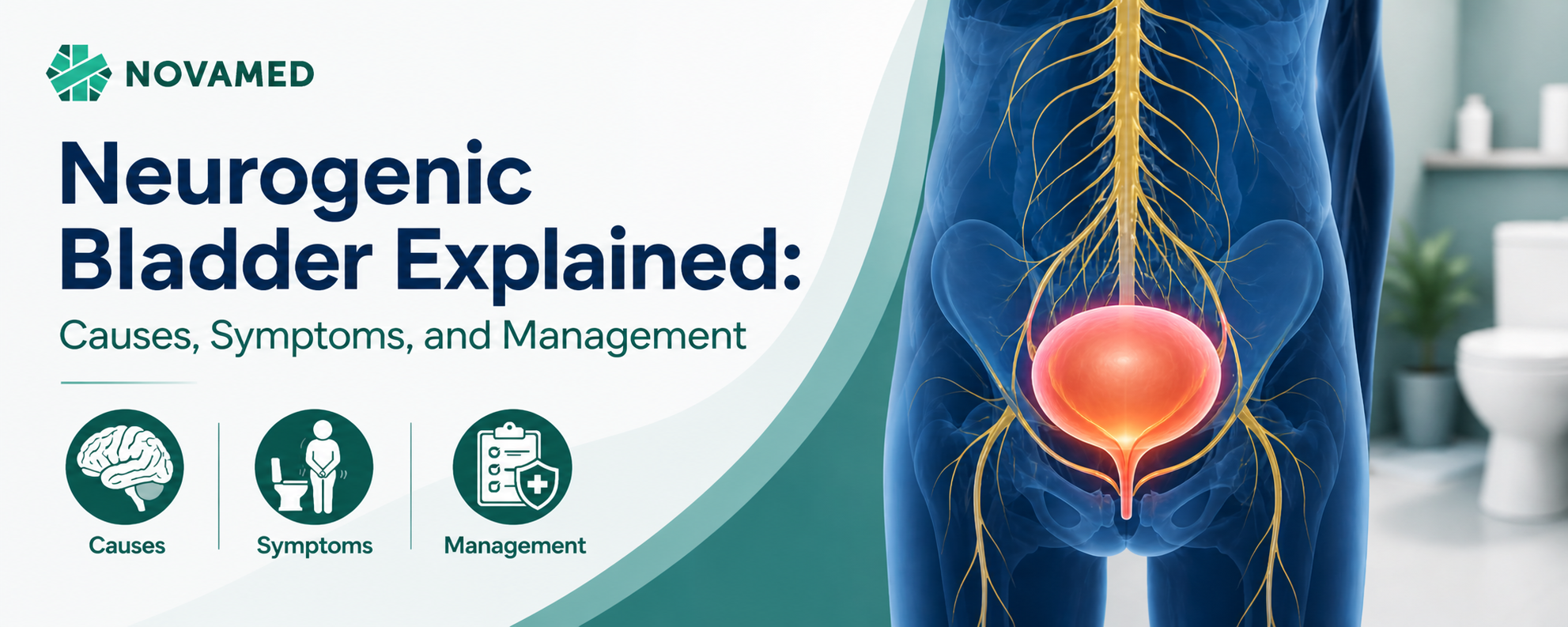
Neurogenic Bladder Explained: Causes, Symptoms, and Management
Neurogenic bladder is a condition that affects bladder control due to damage or dysfunction of the nervous system. It is commonly associated with neurological conditions such as spinal cord injury (SCI), multiple sclerosis, and Parkinson's disease.
Understanding neurogenic bladder, its causes, symptoms, and management options is essential for both patients and healthcare professionals aiming to improve continence care and quality of life.
What is Neurogenic Bladder?
Neurogenic bladder refers to a loss of normal bladder function caused by disrupted nerve signals between the brain, spinal cord, and bladder.
Under normal conditions, the nervous system coordinates:
- Bladder storage (relaxation of bladder muscle)
- Bladder emptying (controlled contraction)
When this communication is impaired, the bladder may become either overactive or underactive, leading to incontinence or urinary retention.
What Causes Neurogenic Bladder?
Neurogenic bladder can result from a variety of neurological conditions or injuries, including:
Common Causes
- Spinal cord injury (SCI)
- Multiple Sclerosis (MS)
- Parkinson's disease
- Stroke
- Diabetes-related nerve damage (neuropathy)
- Spina bifida
The type and severity of bladder dysfunction often depend on the location and extent of nerve damage.
Types of Neurogenic Bladder
Neurogenic bladder is generally classified into two main types:
1. Overactive (Spastic) Bladder
- Frequent, sudden urge to urinate
- Involuntary bladder contractions
- Urinary incontinence
- Often associated with upper spinal cord lesions
2. Underactive (Flaccid) Bladder
- Difficulty initiating urination
- Incomplete bladder emptying
- Urinary retention
- Risk of overflow incontinence
- Typically linked to lower spinal cord or peripheral nerve damage
Symptoms of Neurogenic Bladder
Symptoms can vary depending on the type of dysfunction but commonly include:
- Urinary incontinence (leakage)
- Urinary retention
- Frequent urination
- Urgency and sudden urges
- Recurrent urinary tract infections (UTIs)
- Difficulty starting or stopping urine flow
These symptoms can significantly impact daily activities, independence, and emotional wellbeing.
Complications to Watch For
If not properly managed, neurogenic bladder can lead to serious complications, including:
- Recurrent UTIs
- Kidney damage or reflux
- Bladder stones
- Skin breakdown due to leakage
- Reduced quality of life
Early diagnosis and structured management are key to preventing long-term damage.
How is Neurogenic Bladder Diagnosed?
Diagnosis typically involves a combination of:
- Medical history and symptom review
- Bladder diaries
- Urodynamic testing (to assess bladder function)
- Ultrasound or imaging
- Urine tests to detect infection
Accurate diagnosis helps guide personalised treatment plans.
Management and Treatment Options
While neurogenic bladder is often a long-term condition, it can be effectively managed with the right approach.
Bladder Management Techniques
- Intermittent catheterisation (IC) - a common and effective method for bladder emptying
-
Indwelling catheters (in specific cases)
- Scheduled voiding routines
Medications can help as advised by your healthcare practitioner.
Lifestyle and Support Strategies
- Fluid and diet management
- Pelvic health support (where appropriate)
- Regular monitoring by healthcare professionals
Role of Continence Solutions
Effective management of neurogenic bladder often depends on having access to reliable, easy-to-use continence products.
For many individuals, particularly those using intermittent catheterisation, the right solution can:
- Improve comfort and ease of use
- Reduce the risk of complications such as UTIs
- Support independence in daily life
- Enhance confidence in social and professional settings
At Novamed, we understand that continence care is not one-size-fits-all. That's why our focus is on providing practical, high-quality solutions designed around patient needs.
Neurogenic bladder is a complex but manageable condition. With the right clinical support, structured routines, and access to effective continence solutions, individuals can take control of their bladder health and improve their quality of life.
Bladder and bowel incontinence may be caused by conditions which can be treated medically. Please consult your physician for medical advice and guidance. All sources used in this article are cited below.