

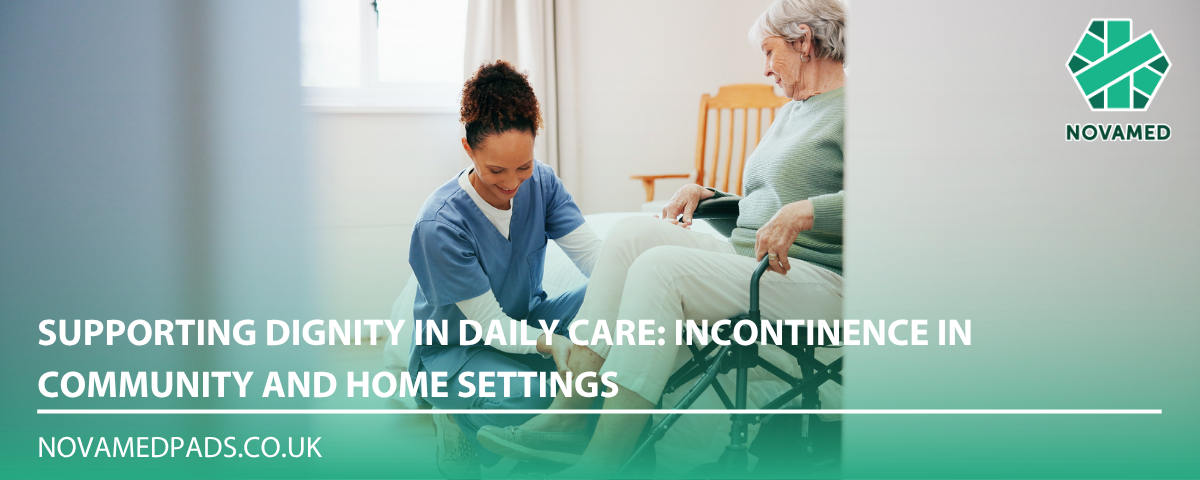
Supporting Dignity in Daily Care: Incontinence in Community and Home Settings
Incontinence is a common yet often under-discussed condition affecting millions of adult worldwide. Whether in a home environment or within community care settings, managing incontinence goes far beyond physical care - it's about preserving dignity, confidence, and quality of life.
As care models increasingly shift toward community and home-based support, the importance of compassionate, discreet, and effective incontinence care has never been greater.
Why Dignity Matters in Incontinence Care
Dignity is at the heart of person-centred care. For individuals experiencing incontinence, maintaining a sense of control and self-respect can significantly impact emotional wellbeing.
Loss of bladder or bowel control can lead to:
- Embarrassment and social withdrawal
- Anxiety and reduced confidence
- Increased dependency on caregivers
By prioritising dignity, carers can help individuals feel respected, empowered, and comfortable in their daily lives.
Simple ways to support dignity:
- Use respectful, person-first language
- Ensure privacy during care routines
- Encourage independence wherever possible
- Offer choices in products and routines
The Importance of Discreet, Reliable Protection
One of the most critical aspects of incontinence care is choosing products that are both effective and discreet.
Modern absorbent pull-up pants are designed to look and feel like regular underwear, helping individuals maintain normalcy in their daily routines.

Key product features that support dignity:
- High absorbency to prevent leaks and reduce anxiety
- Odour control technology for confidence in social situations
- Cotton-feel materials for comfort and skin health
- Anatomical fit for discretion under clothing
- Hypoallergenic design to protect sensitive skin
Reliable protection allows users to stay active, engage socially, and maintain independence without constant worry.
Best Practices for Carers and Care Providers
Whether you're a professional caregiver or supporting a loved one at home, adopting best practices can greatly improve outcomes.
1. Create a Routine
Consistent care schedules help reduce discomfort and prevent skin issues.
2. Prioritise Skin Health
- Clean and dry the skin thoroughly
- Use barrier creams when needed
- Choose breathable, skin-friendly products
3. Communicate Openly
Encourage honest conversations about comfort, preference, and concerns. This builds trust and reduces stigma.
4. Promote Independence
Where possible, allow individuals to manage aspects of their care. Even small actions can restore a sense of control.
5. Choose the Right Product
Selecting the correct size, absorbency level, and fit is essential for both comfort and effectiveness.
How Quality Products Support Better Outcomes
The quality of incontinence products directly impacts both physical and emotional wellbeing.
Benefits of high-quality products:
- Reduced leakage incidents - fewer clothing and bedding changes
- Improved skin integrity - lower risk of irritation and infection
- Greater confidence - increased participation in daily activities
- Less caregiver burden - more efficient care routines
Premium products are not just a convenience-they are a key component of dignified care.

Incontinence Care in the Community: A Growing Need
As healthcare systems evolve, more individuals are receiving care at home or in community settings rather than hospitals or institutions.
This shift highlights the need for:
- Accessible, easy-to-use products
- Education for caregivers
- Solutions that integrate seamlessly into everyday life.
Supporting dignity in these environments means providing care that feels natural, respectful, and empowering.
Final Thoughts
Incontinence care is not just about managing a condition - it's about supporting people to live confidently and with dignity.
By combining compassionate caregiving with high-quality, discreet products, we can transform daily care routines into experiences that preserve independence, comfort, and self-respect.
Whether you're a professional caregiver or supporting a loved one at home, adopting best practices can greatly improve outcomes.
Bladder and bowel incontinence may be caused by conditions which can be treated medically. Please consult your physician for medical advice and guidance. All sources used in this article are cited below.


