

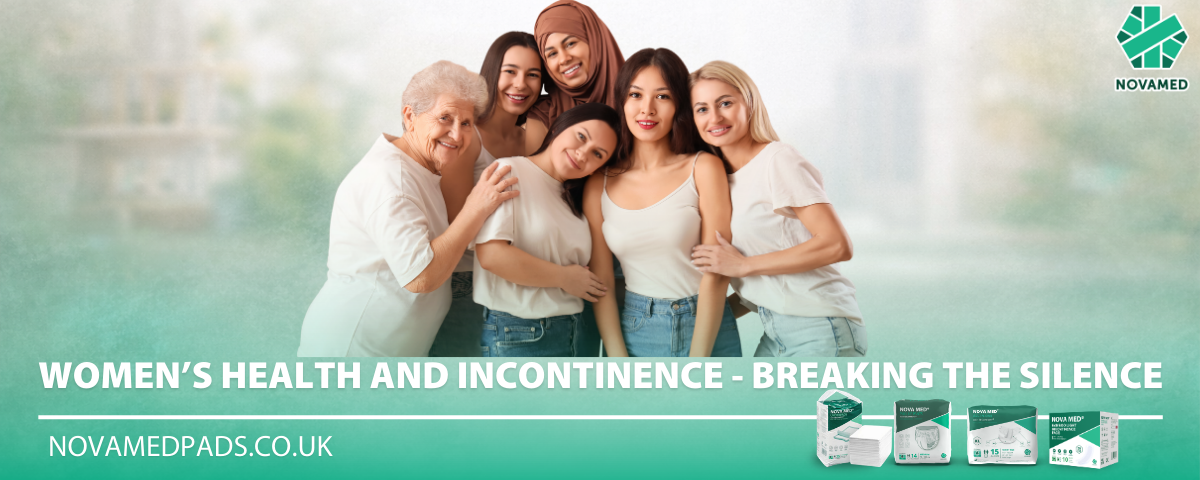
Women’s Health & Incontinence: Breaking the Silence
Urinary incontinence in women is far more common than many realise - yet it remains one of the least talked about aspects of women's health. Millions of women experience bladder leaks at different life stages, from postpartum recovery to menopause and ageing.
It's time to break the silence around female incontinence, normalise conversations about pelvic health, and empower women with the right support and protection to live confidently.
Understanding Female Incontinence Across Life Stage
Bladder leakage is not limited to one age group. It can affect women at various points in their lives, often linked to natural hormonal and physical changes.
1. Postpartum Incontinence
Pregnancy and childbirth place significant pressure on the pelvic floor muscles. As a result, many women experience postpartum incontinence, especially stress incontinence - leaking urine when coughing, laughing, sneezing, or exercising.
While this is common, it should never be dismissed as something women must simply "put up with." Early pelvic floor exercises, physiotherapy, and appropriate bladder leakage protection can make a significant difference in recovery and confidence.
2. Menopause & Bladder Leaks
During menopause, declining estrogen levels affect the bladder and urethral tissues. This can lead to increased urgency, frequency, and menopause bladder leaks.
Hormonal changes may weaken pelvic floor support and reduce bladder control, making urinary incontinence in women more noticeable during this stage of life.
Open discussions with healthcare professionals can help women access treatments, lifestyle adjustments, and protection solutions that improve quality of life.
3. Ageing & Bladder Control
As women age, muscles naturally weaken, including those that support bladder function. Chronic conditions, medications, or reduced mobility may also contribute to ageing and bladder control issues.
However, incontinence is not an inevitable or untreatable part of ageing. With proper support, pelvic floor care, and reliable incontinence products, women can maintain independence and dignity.

Normalising Conversations Around Women's Pelvic Health
Despite affecting millions globally, female incontinence is still surrounded by stigma. Many women delay seeking help due to embarrassment or the misconception that bladder leaks are simply "normal."
We need to reframe the conversation:
- Incontinence is common - but it is also manageable
- Pelvic health is a vital part of overall women's health
- Seeking support early leads to better outcomes
Healthcare providers, brands, and communities all play a role in promoting awareness, education, and accessible solutions. When women feel comfortable discussing bladder leakage, they are more likely to explore treatment options and find products that genuinely meet their needs.
Encouraging Early Support & Better Protection Choices
The earlier women seek guidance for urinary incontinence, the better the long-term results. Support may include:
- Pelvic floor physiotherapy
- Lifestyle adjustments (fluid management, weight management)
- Medical treatment where appropriate
- Choosing the right incontinence pads for daily protection
Using menstrual pads for bladder leaks is common - however they are not designed for urine absorption. Discreet incontinence pads are specifically engineered to absorb urine quickly, neutralise odour, and protect the skin.
Making informed protection choices helps women feel secure and prepared, whether at work, exercising, or socialising.
How Discreet Pads Support Confidence & Independence
Modern incontinence products are designed with discretion and dignity in mind. Slim, breathable, and body-contoured pads provide:
- Fast absorption for light to moderate leaks
- Odour control technology
- Comfortable, barely-there fit
- Skin-friendly materials
- Discreet wear under everyday clothing
When women trust their protection, they can focus on living - not worrying about leaks. Whether returning to exercise postpartum, navigating menopause, or enjoying later life, reliable bladder protection supports confidence and independence.
Breaking the Silence Starts with Awareness
Women's health conversations have evolved - and pelvic health must be part of that progress. By openly discussing urinary incontinence in women, we reduce stigma, encourage early support, and help women make informed choices about their bodies.
Bladder leaks do not define a woman's strength, capability, or independence. With the right knowledge and discreet protection, women can continue to live fully and confidently at every stage of life.
Bladder and bowel incontinence may be caused by conditions which can be treated medically. Please consult your physician for medical advice and guidance.


