
How Eating More Fruits and Vegetables Can Help with Incontinence
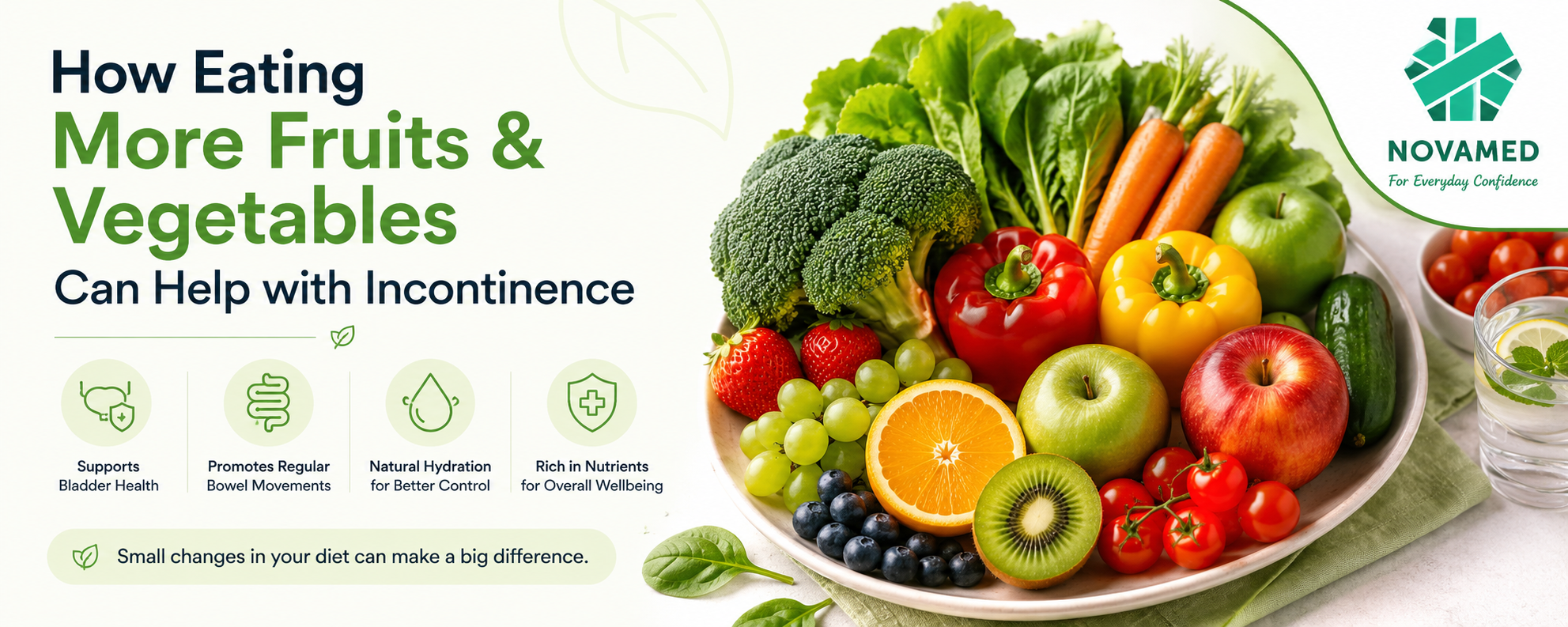
Diet plays a crucial role in overall health - and it can have a significant impact on managing incontinence. For individuals experiencing bladder or bowel control issues, increasing the intake of fruits and vegetables can support better digestive health, reduce irritation, and improve continence outcomes.
In this guide, we explore how fruits and vegetables help with incontinence, what to include in your diet, and practical tips to support daily continence care.
Why Diet Matters in Incontinence Management
Incontinence is often influenced by lifestyle factors, including diet and hydration. Certain foods can either support bladder and bowel health or contribute to irritation and symptoms.
A diet rich in fruits and vegetables helps to:
- Promote regular bowel movements
- Prevent constipation (a key contributor to incontinence)
- Support gut health
- Reduce pressure on the bladder
For many people, small dietary changes can make a noticeable difference.
The Link Between Constipation and Incontinence
Constipation is one of the most common causes of both urinary and faecal incontinence.
When the bowel is full:
- It puts pressure on the bladder
- Reduces bladder capacity
- Increases urgency and leakage
Fruits and vegetables are naturally high in dietary fibre, which helps keep the digestive system moving efficiently and reduces the pressure.
Best Fruits and Vegetables for Incontinence
Not all foods affect the body in the same way. Here are some of the most beneficial options:
🥦 High-Fibre Vegetables
- Brocolli
- Carrots
- Spinach
- Peas
These support bowel regularity and reduce constipation risk.
🍎 Fibre-Rich Fruits
- Apples (with skin)
- Pears
- Berries
- Bananas
These provide soluble fibre, which helps regulate digestion.
💧 Hydrating Fruits and Vegetables
- Cucumbers
- Watermelon
- Oranges
These contribute to overall hydration, which is essential for bladder health.
How Fibre Helps Improve Continence
Fibre works by:
- Adding bulk to stool
- Softening waste for easier passage
- Supporting a healthy gut microbiome
This reduces straining and improves control over bowel movements - both key factors in managing incontinence.
Foods to Be Mindful Of
While adding fruits and vegetables is beneficial, some foods can worsen symptoms in certain individuals.
Potential Bladder Irritants:
- Citrus fruits (for some people)
- Tomatoes
- Spicy foods
- Caffeine and fizzy drinks
It's important to monitor how your body responds and adjust accordingly.
Practical Tips for Adding More Fruits and Vegetables
Making dietary changes doesn't have to be overwhelming.
Simple Ways to Start:
- Add fruit to breakfast (e.g. berries and banana)
- Include vegetables in every main meal
- Snack on fresh fruit instead of processed foods
- Blend smoothies for easy intake
Gradually increasing fibre intake helps avoid digestive discomfort.
Don't Forget Hydration
Fibre works best when paired with adequate fluid intake.
- Aim for regular hydration throughout the day
- Avoid reducing fluid intake to manage incontinence - this can worsen symptoms
Balanced hydration supports both bladder and bowel health.
Supporting Continence With the Right Products
While diet plays a key role, effective continence management often requires reliable products for daily support.
High-quality continence pads can help:
- Provide protection and peace of mind
- Support active, independent living
- Reduce anxiety around leaks
At Novamed Pads, we offer comfort, discreet, and reliable continence solutions designed to support everyday life.
Key Takeaways
- Fruits and vegetables support better bowel and bladder health
- Fibre helps prevent constipation, a major cause of incontinence
- Hydration is essential for effective management
- Small dietary changes can lead to noticeable improvements
- Combining diet with the right continence products enhances confidence
Final Thoughts
Managing incontinence is about taking a holistic approach. By incorporating more fruits and vegetables into your diet and using the right support products, you can improve comfort, confidence, and overall quality of life.
Bladder and bowel incontinence may be caused by conditions which can be treated medically. Please consult your physician for medical advice and guidance. All sources used in this article are cited below.