

Pelvic Health in Pregnancy and Beyond: Caring for Your Pelvic Floor
Pregnancy brings many changes, but bladder leaks and pelvic discomfort can feel particularly difficult to talk about. Whether you are expecting your first baby or navigating life childbirth, your comfort and confidence deserve attention.
Looking after your pelvic health during pregnancy and beyond starts with understanding your body, building manageable habits and knowing when to ask for help. You do not have to face concerns alone or dismiss them as an inevitable part of motherhood.
What is the pelvic floor, and why does it matter?
Your pelvic floor is a group of muscles supporting your bladder, bowel and womb. These muscles help you control the release of urine and stools.
Pregnancy and childbirth place extra demands on the pelvic floor. You may notice urine leaking when you cough, sneeze, laugh or exercise. This is called stress urinary incontinence, and it can continue after pregnancy. Pelvic floor exercises can help reduce or prevent these leaks.
Pelvic health deserves a place in your antenatal conversations, alongside birth preparation and your baby's wellbeing. Mention any symptoms to your midwife, even if they seem minor or feel embarrassing.
Pelvic floor exercises during pregnancy
Pelvic floor exercises, sometimes called Kegel exercises, involve deliberately tightening and relaxing these muscles.
To get started:
- Sit comfortably and breathe normally.
- Gently squeeze and lift around your back passage and vagina, imagining that you are holding in wind and urine.
- Release fully between each squeeze.
- Include quick squeezes and longer holds, gradually working towards holding for up to 10 seconds if comfortable.
The NHS pregnancy guidance suggests three sets of eight squeezes daily. Start what you can manage and ask your midwife for help if you are unsure about your technique. NHS: Pelvic floor exercises in pregnancy.
Practice away from passing urine, rather than repeatedly stopping your flow. After birth, NHS guidance also recommends both short and longer contractions, with normal breathing throughout. NHS: Your post-pregnancy body.
A reminder on your phone or linking exercises to a regular activity can make the routine easier to remember.
Why relaxation matters as much as strengthening
Pelvic floor symptoms do not always mean the muscles are simply weak. Some people have muscles that remain too tense or struggle to relax.
An overactive pelvic floor can be associated with bladder or bowel difficulties and pain during sex. If exercises cause pain, or you find it difficult to release the muscles, seek an individual assessment rather than increasing the number of squeezes. A pelvic health physiotherapist can help you understand whether you need strengthening, relaxation or a combination of approaches. Royal United Hospitals Bath: Relaxing the pelvic floor.
The aim is comfortable, coordinated muscle function - not keeping your pelvic floor clenched throughout the day.
Bladder leakage in pregnancy: when to get checked
It is important not to assume that every fluid leak during pregnancy is urine.
If you notice a gush or persistent trickle of fluid, think your waters may have broken, or are unsure what is leaking, contact your midwife or maternity unit immediately. Wear a maternity pad, not a tampon, and note the fluid's colour and amount. Do not wait until the next day for advice. West Suffolk NHS: When your waters break early.
Once urinary leakage has been identified, your maternity team can help you manage it and advise whether you would benefit from specialist support.
Supporting pelvic floor recovery after birth
Postpartum recovery is individual. Give yourself permission to progress gradually rather than comparing your recovery with someone else's.
After a straightforward birth, gentle walking, stretches and pelvic floor exercises can usually begin when you feel ready. After a caesarean or complicated delivery, ask your maternity team for advice before starting strenuous activity.
Before returning to running or other high-impact exercise, discuss your recovery at your postnatal check. Reaching six weeks does not automatically mean your body is ready for every activity. NHS: Keeping fit and healthy with a baby.
Your six-to-eight-week postnatal check is also an opportunity to discuss bladder leaks, pelvic heaviness and discomfort. You can ask for help sooner if symptoms are troubling you; you do not have to wait for this appointment. NHS: Your post-pregnancy body
Everyday habits that support bladder and bowel health
Small changes can complement your pelvic floor routine:
-
Drink regularly: Cutting back on fluids to avoid leaks can worsen bladder problems and constipation. Ask your maternity team about your individual needs.
-
Address constipation: Straining puts pressure on your pelvic floor. Fibre, fluids and suitable activity can help.
-
Notice caffeine triggers: Caffeine can irritate the bladder and worsen leakage for some people.
-
Adapt activities that trigger symptoms: If high-impact exercise increases leaks, seek advice about a more comfortable alternative while you work on recovery.
Pelvic floor improvement can take several months, so consistency matters more than expecting immediate results. NHS: Ways to manage urinary leakage
Choosing protection for bladder leaks
Incontinence pads can provide practical support while you seek advice or follow a treatment plan. They absorb urine, but they do not strengthen the pelvic floor or treat the underlying cause of leakage.
Products designed for urinary incontinence are different from ordinary sanitary towels. Choose protection suited to your leakage level and fit, and follow the product's changing instructions.
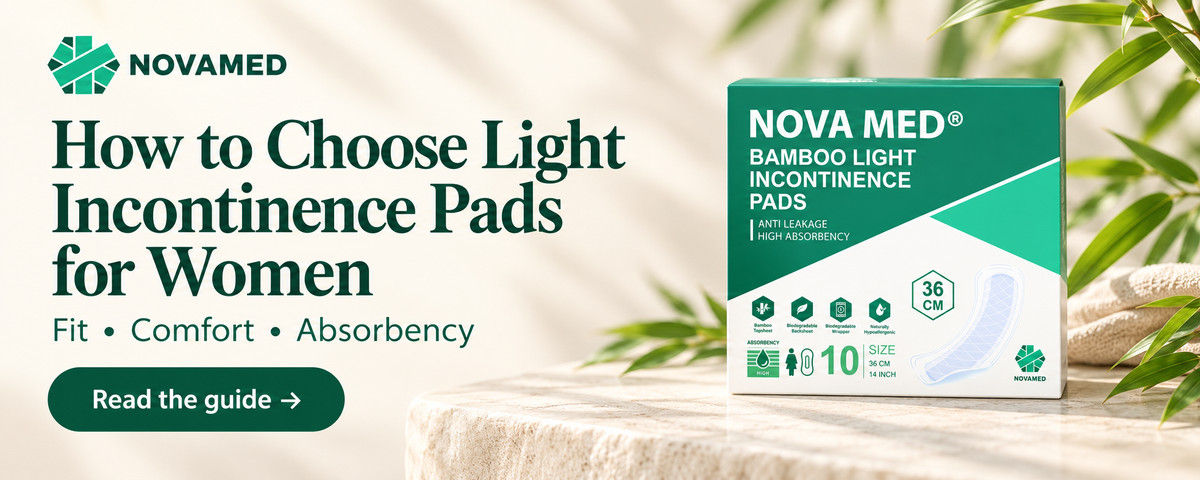
For light urinary leakage, you can explore Novamed Bamboo Light Incontinence Pads.
Postnatal vaginal bleeding is different from urine leakage. Follow your maternity team's advice about maternity pads and monitoring bleeding after birth. NHS: Blood loss after birth
Pelvic health beyond the early postnatal months
Your own wellbeing still matters when antenatal appointments and early baby checks have finished.
If bladder leaks, pelvic heaviness or discomfort continue to affect your daily life, speak to your GP. They can assess your symptoms and arrange specialist support where needed. You do not need to accept ongoing problems simply because you have had a baby. NHS: Your post-pregnancy body
At Novamed, we believe conversations about continence should be met with understanding and dignity. Whether your next step is asking a question, arranging an assessment or finding suitable everyday protection, you deserve support.
Live Comfortably. Live Confidently
This article provides general information and does not replace individual advice from your midwife, GP or pelvic health physiotherapist.